
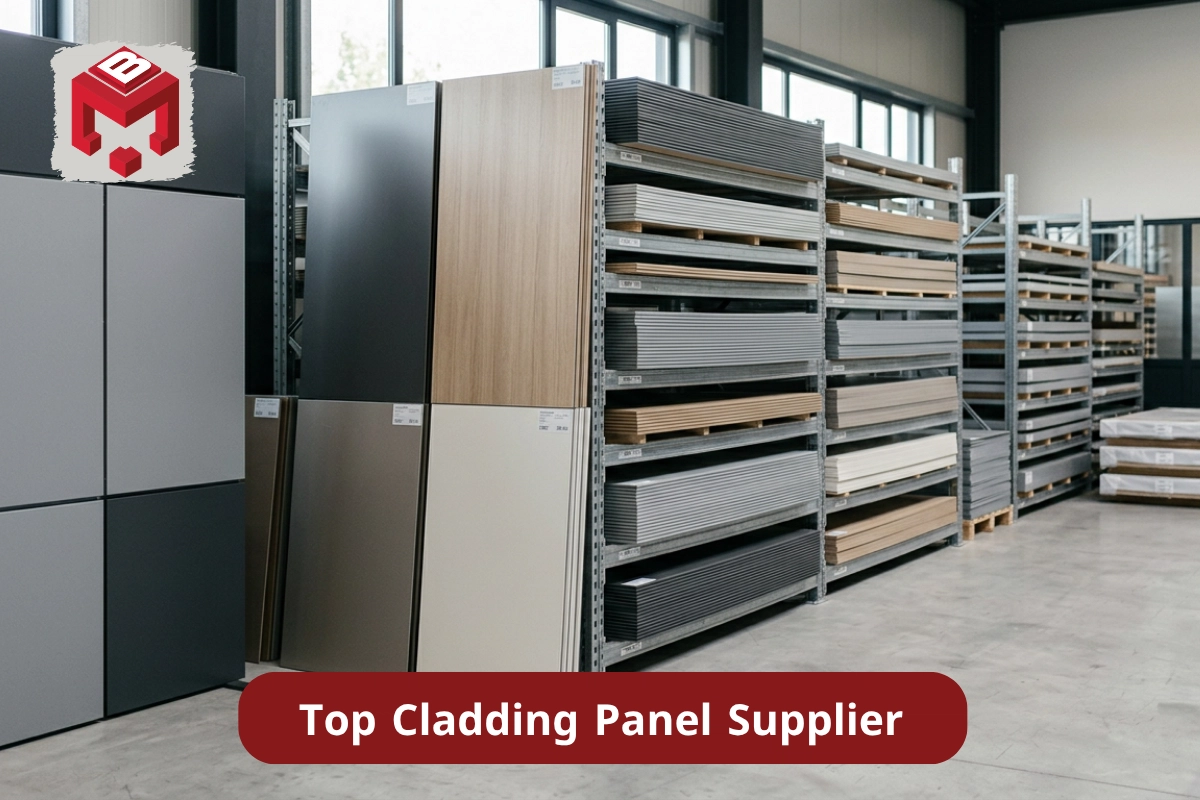
Supplying Aluminum Composite Panel and Cladding Panels 2026
Choosing the right aluminum composite panel is one of the most critical decisions in any construction or renovation project. Architects, contractors, and property developers across the region are increasingly turning to cladding panels that combine outstanding durability with a modern aesthetic. Whether you are working on a commercial tower, a retail façade, or a residential compound, this guide from Megabond covers everything you need to know — from panel types and features to applications and how to get the right supply for your project.
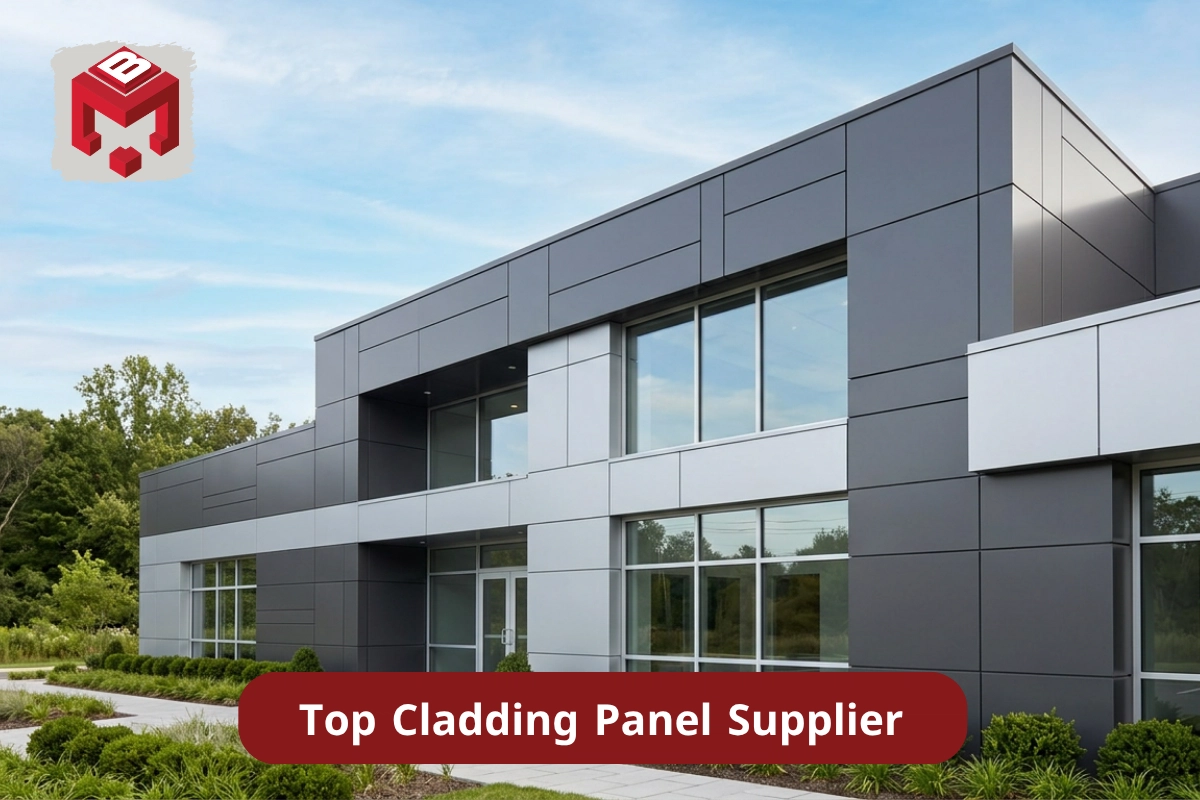
Why Aluminum Composite Panels Are the Leading Choice in Modern Construction
The construction industry has seen a major shift toward aluminum composite panels over the past decade, and for good reason. These panels deliver a combination of lightweight strength, weather resistance, and architectural flexibility that very few materials can match. From high-rise towers to shopping centers, cladding panels made from aluminum composite are now the standard for professional façade systems worldwide due to the following key advantages:
- Lightweight yet strong: ACP sheets are significantly lighter than solid metal or concrete alternatives, reducing structural load without compromising on strength.
- Weather and corrosion resistance: The aluminum skin provides exceptional protection against moisture, UV rays, and temperature fluctuations — ideal for demanding climates.
- Aesthetic versatility: Available in a wide range of colors, finishes, and textures including metallic, matte, wood grain, and brushed effects.
- Ease of fabrication and installation: Panels can be cut, bent, and shaped on-site, significantly reducing installation time and labor costs.
- Low maintenance: The smooth surface resists dirt accumulation and requires only periodic cleaning to retain its appearance for decades.
- Fire-resistant options available: FR-grade (fire-retardant) core panels comply with international building safety standards.
Types of Aluminum Composite Panels Available from Megabond
Not all aluminum composite panels are built the same. The right choice depends on your project’s performance requirements, fire rating standards, and design goals. Below are the main types offered:
- Standard ACP (Polyethylene Core): The most widely used option for general architectural projects, offering excellent flatness, lightweight handling, and a broad color palette for standard facades.
- Fire-Retardant ACP (FR Core): Designed with a mineral-filled core that significantly limits flame spread — the preferred choice for commercial buildings and public facilities governed by strict safety codes.
- A2 Non-Combustible ACP: The highest fire-safety grade available, specifically engineered for high-rise developments where non-combustible facade materials are legally mandated.
- Nano-Coated ACP: Features an advanced nano-technology surface coating that provides self-cleaning properties and superior resistance to pollution, sandstorms, and UV fading.
- Brushed and Mirror-Finish ACP: Premium decorative panels specified by interior designers to create striking visual statements in corporate lobbies, hotels, and retail feature walls.
Key Applications of Cladding Panels in Construction Projects
Cladding panels have become essential across a broad spectrum of construction types. Their adaptability makes them suitable for both functional and purely decorative purposes.
External Façade Cladding
The most common application for aluminum composite panels is on building exteriors. Whether it is a curtain wall system or a rainscreen façade, ACP delivers a clean, consistent finish while protecting the building structure from the elements.
Interior Wall Cladding and Feature Walls
Inside commercial spaces, hotels, and retail outlets, cladding panels are used extensively for reception areas, corridors, and decorative feature walls. Their flat surface and premium finishes create a polished, professional environment.
Signage and Shopfront Panels
Aluminum composite panels are the material of choice for large-format signage, branded shopfronts, and commercial fascias. They are easy to print on, cut with precision, and install quickly — making them ideal for retail and corporate branding.
Canopies, Soffits, and Column Cladding
Architectural elements such as entrance canopies, soffits, and structural columns benefit greatly from ACP cladding. The material accommodates complex geometric shapes while maintaining a seamless, high-quality appearance.
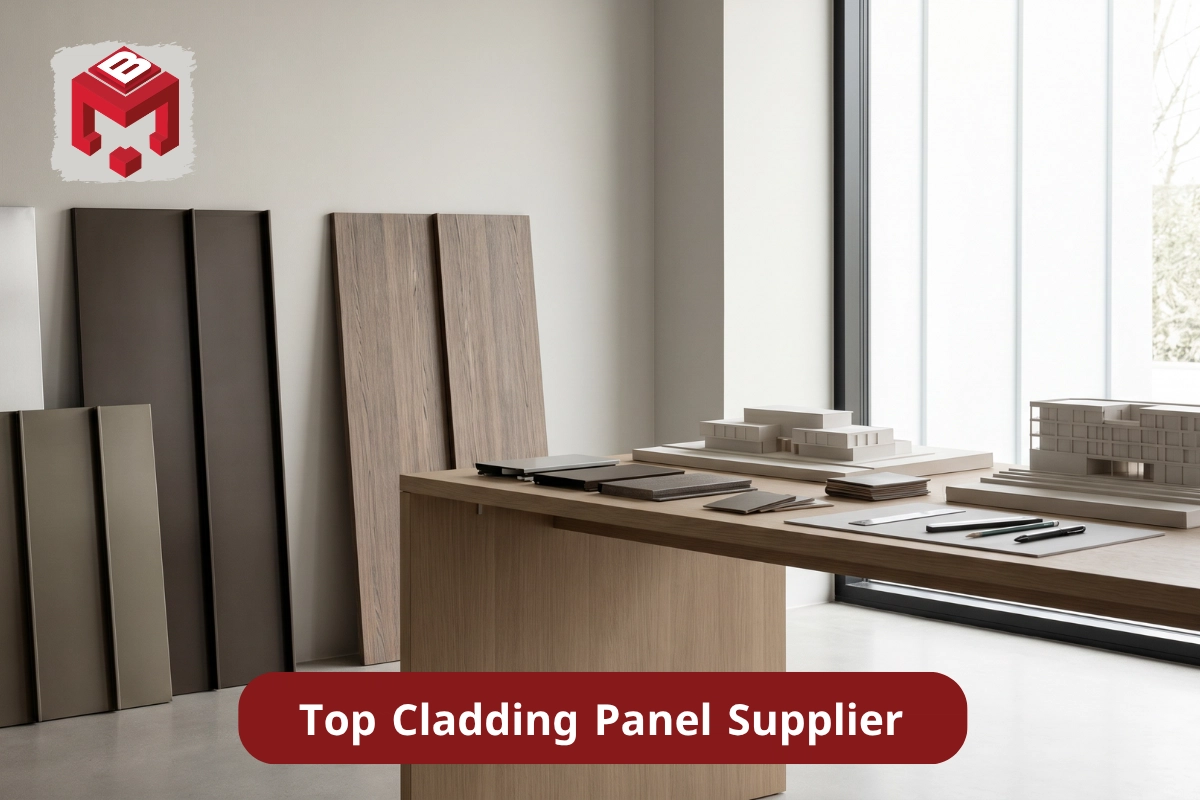
What to Look for When Supplying Cladding Panels for Your Project
When it comes to supplying cladding panels for a construction project, the supplier you choose is just as important as the product itself. Here are the key factors every project manager and contractor should evaluate:
- Panel grade and certification: Confirm the fire rating and check that panels comply with relevant international standards such as EN 13501, ASTM, or local building codes.
- Aluminum skin thickness: Higher-quality panels use thicker aluminum skins (typically 0.5mm per side or above) for better rigidity and longer lifespan.
- Total panel thickness options: Standard thicknesses range from 3mm to 6mm. The right choice depends on the span between fixing points and the wind load requirements of your façade.
- PVDF vs. PE coating: PVDF (polyvinylidene fluoride) coatings offer far superior UV resistance and color retention over polyester (PE) coatings, making them the preferred choice for exterior applications.
- Color consistency and availability: For large projects, ensure your supplier can guarantee consistent color batches across all panels to avoid visible variation on the finished façade.
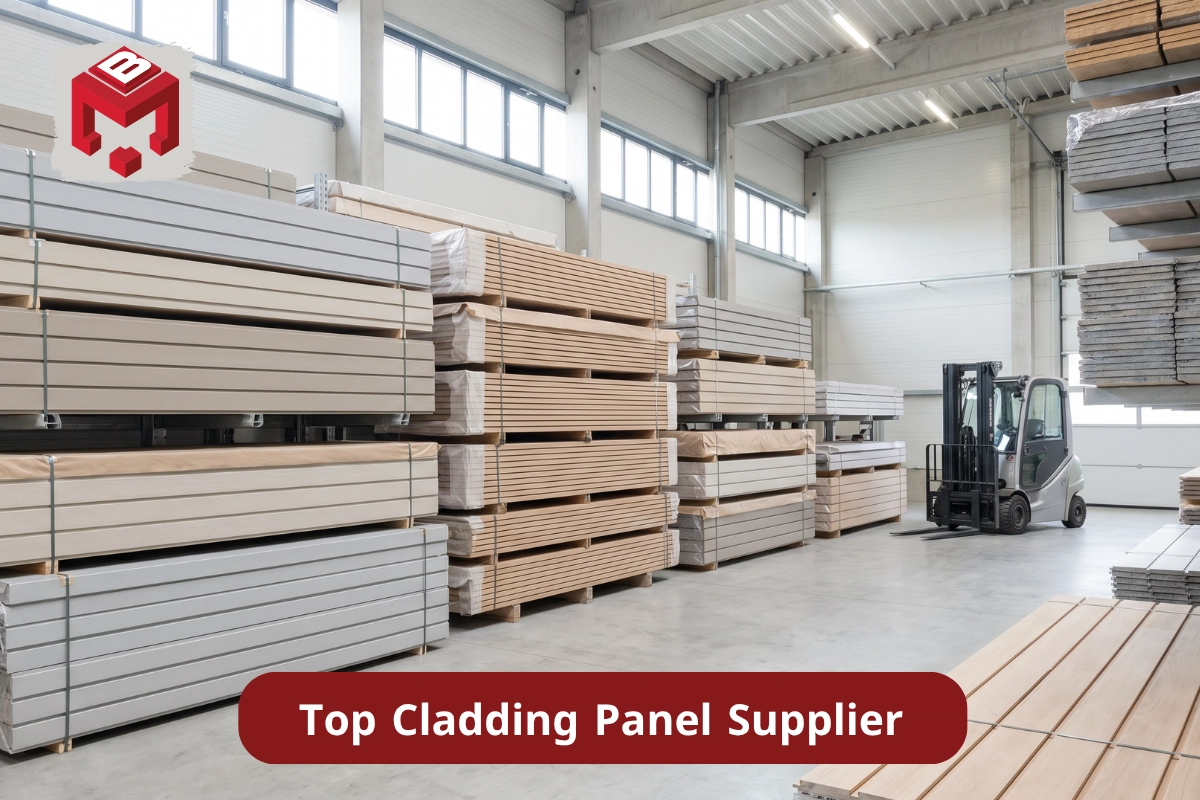
- Lead time and stock availability: Work with a supplier who can meet your project schedule reliably, with clear delivery timelines and adequate stock capacity.
2026 Building Code Compliance for Façade Materials
As building regulations become increasingly stringent globally, selecting an aluminum composite panel that strictly adheres to the 2026 updated fire safety and wind-load codes is no longer optional; it is a legal necessity. Megabond ensures that every batch of our cladding panels is rigorously tested and certified to meet the latest EN and ASTM standards, providing developers and contractors with absolute peace of mind and shielding projects from compliance-related delays.
Megabond’s Approach to Supplying Cladding Panels
As a specialist cladding company, Megabond combines deep technical expertise with a client-focused supply process. Every project starts with a thorough understanding of your specifications — from panel dimensions and fire rating requirements to finish selection and delivery scheduling. The result is a supply chain that is smooth, precise, and built around your timeline.
| Panel Type | Core Material | Fire Rating | Best Application |
|---|---|---|---|
| Standard ACP | Polyethylene (PE) | Standard | Low-rise exterior, interiors |
| FR ACP | Mineral-filled FR Core | B1 / Class A | Mid-rise buildings, public spaces |
| A2 Non-Combustible | Mineral Core | A2 / Non-Combustible | High-rise, regulated projects |
| Nano-Coated ACP | PE / FR Core | Standard / FR | High-pollution environments |
Tips for Choosing the Right Aluminum Composite Panel for Your Project
Making the right panel selection from the start prevents costly changes and ensures your façade performs as intended for years to come. Here is what Megabond’s technical team recommends:
- Define your fire safety requirements first: Before anything else, establish whether your project requires standard, FR, or A2-rated panels based on building height and local regulations.
- Match the coating to the environment: For coastal or high-UV locations, PVDF-coated panels are non-negotiable. PE coatings are acceptable for internal or sheltered applications only.
- Consider the substructure system: Your cladding panels need to be specified alongside a compatible fixing and substructure system to ensure structural integrity and thermal movement accommodation.
- Request physical samples: Color representation on screen can differ from the actual panel. Always request physical samples before finalizing your selection.
- Plan for cutting and wastage: When ordering panels for fabrication, factor in a realistic wastage allowance based on your panel layout drawings.
- Work with a trusted supplier: Partnering with an experienced team ensures you receive consistent quality, accurate quantities, and the technical support needed throughout the project.
Conclusion
We hope this guide has given you a clear and comprehensive understanding of aluminum composite panels, their types, applications, and what to prioritize when supplying cladding panels for your project. Whether you are looking for standard exterior cladding panels, fire-rated solutions for a high-rise development, or premium decorative finishes for a flagship retail space, Megabond provides the product range, technical knowledge, and supply reliability to bring your vision to life. Do not hesitate to get in touch with our team today for a tailored consultation and a customized supply proposal for your project.
Frequently Asked Questions About Aluminum Composite Panels
Here are the most common questions we receive about aluminum composite panels and cladding panels — answered by the Megabond technical team.
What is the difference between PE core and FR core aluminum composite panels?
PE core panels use a standard polyethylene core, making them lightweight and cost-effective for general use. FR core panels incorporate a mineral-filled core that significantly slows flame spread, making them the required choice for applications where fire safety compliance is mandatory.
What thickness of aluminum composite panel should I specify for exterior cladding?
For most exterior façade applications, a 4mm total panel thickness with 0.5mm aluminum skins is the industry standard. For larger panel formats or higher wind load zones, a 6mm panel may be specified to provide additional rigidity and reduce deflection.
Can aluminum composite panels be used for curved façades?
Yes. Aluminum composite panels can be cold-formed on-site or factory-curved to achieve single-curvature shapes. For complex double-curved geometry, specialist fabrication is required, and Megabond’s team can advise on the best approach for your design.
How long do aluminum composite panels last on an exterior façade?
When correctly specified, installed, and maintained, high-quality cladding panels with PVDF coatings are engineered to retain their color and structural performance for 20 to 30 years, even in demanding weather conditions.
What is the lead time for supplying cladding panels?
Lead times depend on panel specification, color selection, and order volume. Standard stocked colors can typically be dispatched within a short timeframe, while custom colors and large project quantities require advance planning when supplying cladding panels at scale. Contact Megabond directly to discuss your project schedule.
Does Megabond supply cladding panels for both small and large-scale projects?
Yes. Megabond works with projects of all scales — from single-building refurbishments to large mixed-use developments. Our supply process is tailored to match the volume, specification, and delivery requirements of each individual project.